
 por
por Landscape photography is a lot about « waiting for » rather than « stumbling upon » an opportunity for me. I don’t usually got out with my camera to see what I can eventually shoot the same day. I walk out with the mindset of what I can eventually shoot at a certain time of the year. With experience and local knowledge, you know what kind of landscape, patterns and colours to expect and start building the image in your mind, without even being on the spot yet. This is especially true for snow – covered landscape subjects, as you depend on the season, and I personally like a thick layer of fresh snow for its magical ability to reflect ambient light.
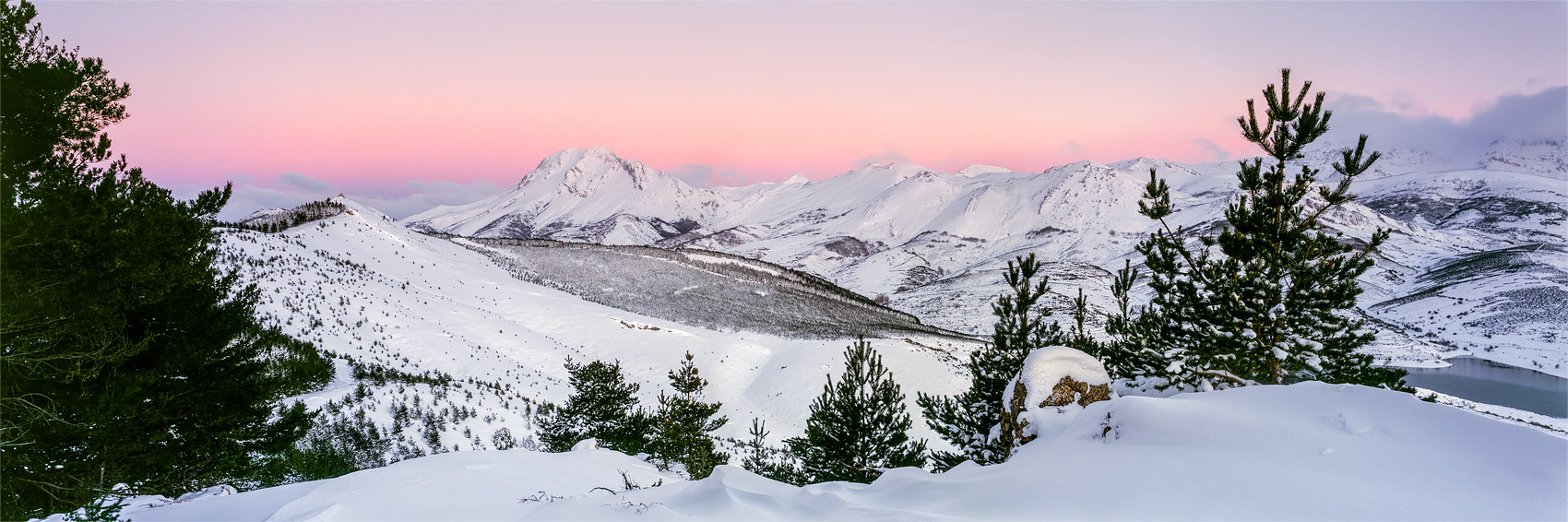
The Pico Espigüete, with its 2450 meters, is one of the highest mountains of the “Montaña Palentina”, in Northern Spain. Because of its position on the southern part of the mountain range of Picos de Europa, which acts as a natural barrier against clouds and prevailing winds from the North, you can get two meters of snow or nothing at all in this area, depending on the year. Moreover it is not rare to see a snowfall change quickly into a rainfall or the sun to come out the following days and melt nearly everything very quickly. The snow blanket doesn’t maintain its primary state unless in shady areas ; so if you are not constantly on the alert and ready to go, getting vast snow-covered landscapes shots in Spain is a difficult task. You need a lot of patience.
It is interesting to see how the snow changes a pretty dull scrub vegetation into a wealth of textures between the following pictures – taken a month apart and at different times of the day with my phone. I made the second one an hour after I made my panoramic slide, before heading back down to the hut. It’s a view on the Pico Curavacas, another famous mountain right next to the Pico Espigüete. I had just arrived with my heavy backpack the evening before, after a two-hour snowshoe from the village. I spent the night inside with a nice wood fire, while roaring winds were shaping the snow blanket in some parts, and blowing the fresh snow flakes out of some vegetation I would have rather seen completely covered in other parts.
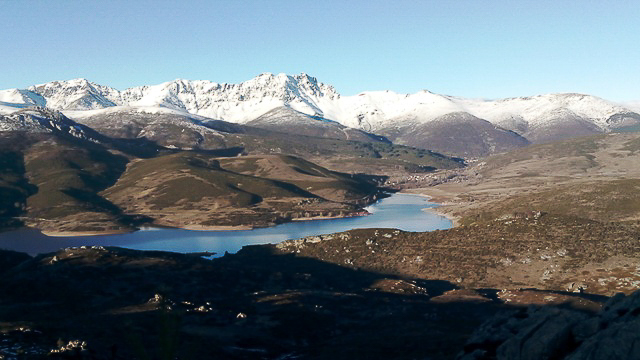
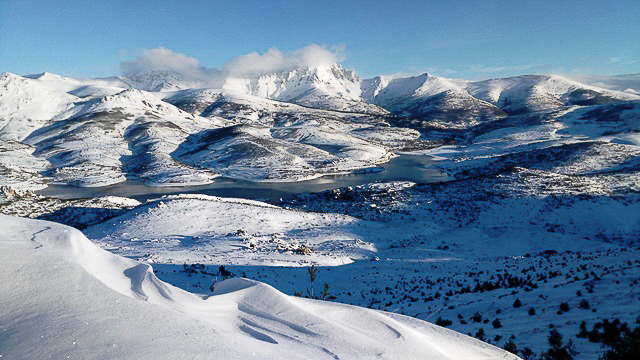
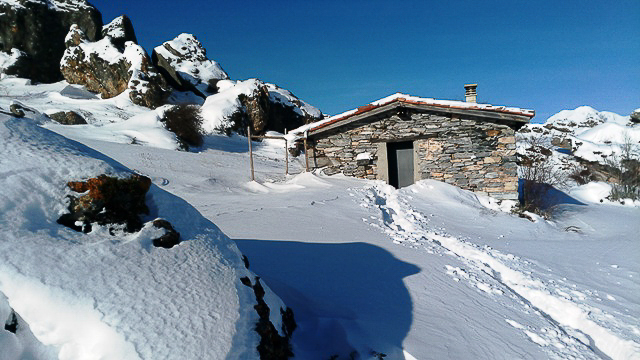
I wish it had snowed more and without wind, to cover completely the brown heather, the two-meter dark green broom and all the trees, but it only snowed once like this last winter so I felt pretty fortunate. For my planned picture anyway, the most important thing was that the pinetree forest, at the bottom middle of the image, would keep its white surface in order to stay in harmony with the rest of the slopes. You should be aware that coniferous trees, when placed in the shadows or not backlighted, usually appear very dark in snowy landscape pictures. It is vital to find them a good spot within your composition.
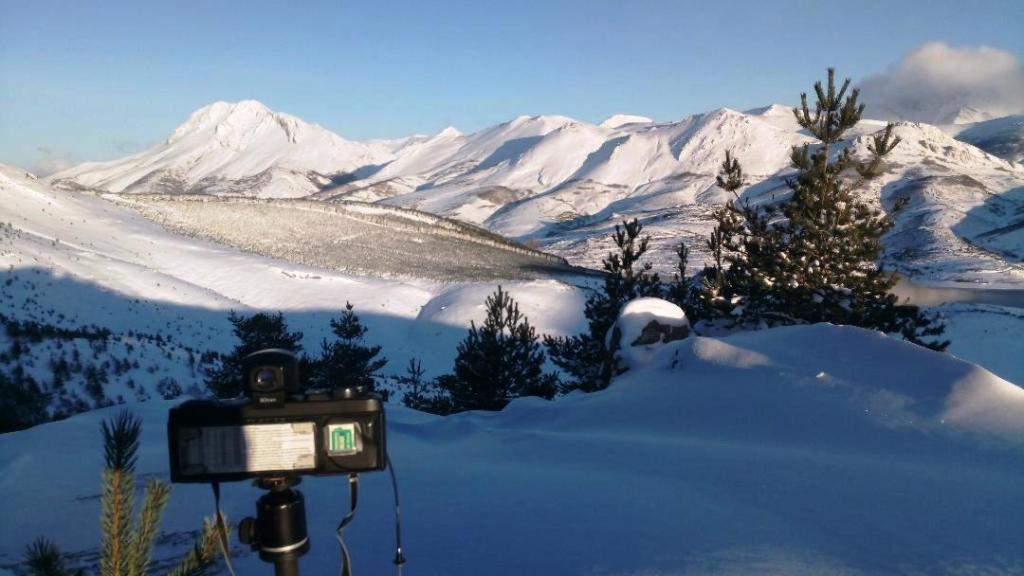
In the end I was rewarded with a magnificent scene of the Espigüete bathed into a magical atmosphere at dawn. After the shot I could relax and enjoy the sunrise gradually heating the air, while thinking how time in our life melts like snow. Although I still have a couple of other spots identified in this area for next winter and cannot wait for it, I say to myself: don’t worry, be patient and you’ll make it happen again.
 fotomonte.com