Making a landscape photograph is about being able to answer the following questions and melt them into one creative intention at a time. What do I want to shoot ? How would I do ? When should I press the shutter ? We need to understand the photographic process at stake. Most of it is
The image output is the support you choose to showcase your final image on. It can range from putting it on the web (digital support), getting it printed on a mug to having it beautifully displayed on Plexiglas (printed support). Both types have been reinforcing each other in the last twenty years. On the one
Each time I show my original slides, people are impressed by their realism, richness of details and beautiful colors. Then any doubt about their veracity vanishes. The slide is a kind of reference for the viewer’s eye, because it comes straight out of the camera. As well as a creative proof hence you can get
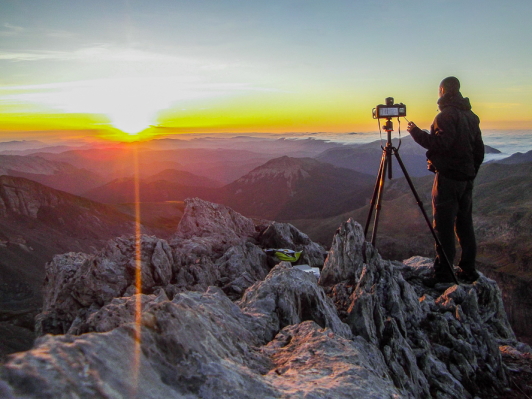
Observation is an essential quality for a landscape photographer. “The devil is in the details”, they say. It is crucial to have it in mind when you are on location for two reasons. First, because you don’t want to miss a potential shot. Second, because you are very likely to go back home without any
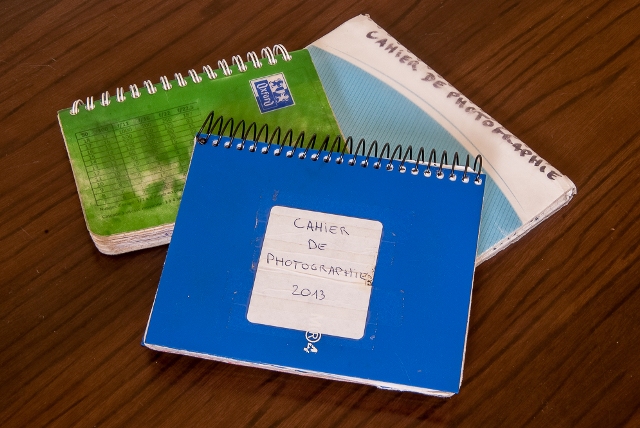
Here are thoughts I wrote down in 2013 when I was learning analog panoramic photography. “I have been taking 617 slide pictures for a year now. Medium format landscape photography is a deeply gratifying process. It is the result of a lot of research and work. I sometimes feel lucky to be given a picture
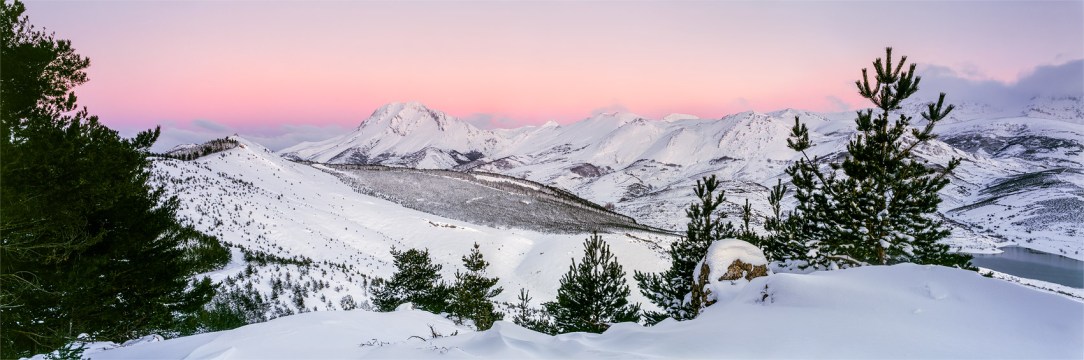
One of my first panoramic landscape pictures shot on film, with Collados del Asón’s mountain range bathed in an intense autumnal sunlight. I was hiking for more than eight hours, looking for the perfect location, in october 2012. Finding a place where matching subject, ciseled composition and fine lighting all together is the ultimate challenge